
There’s something reassuring about buying a franchise that’s already up and running. It has customers, systems and a reputation you can see in the real world – not just projections on a spreadsheet.
That’s what makes a resale franchise so appealing to many prospective owners. You’re not starting from scratch and hoping it works. You’re stepping into something that already does. The question isn’t “Will this succeed?” but “How do I take it forward?”
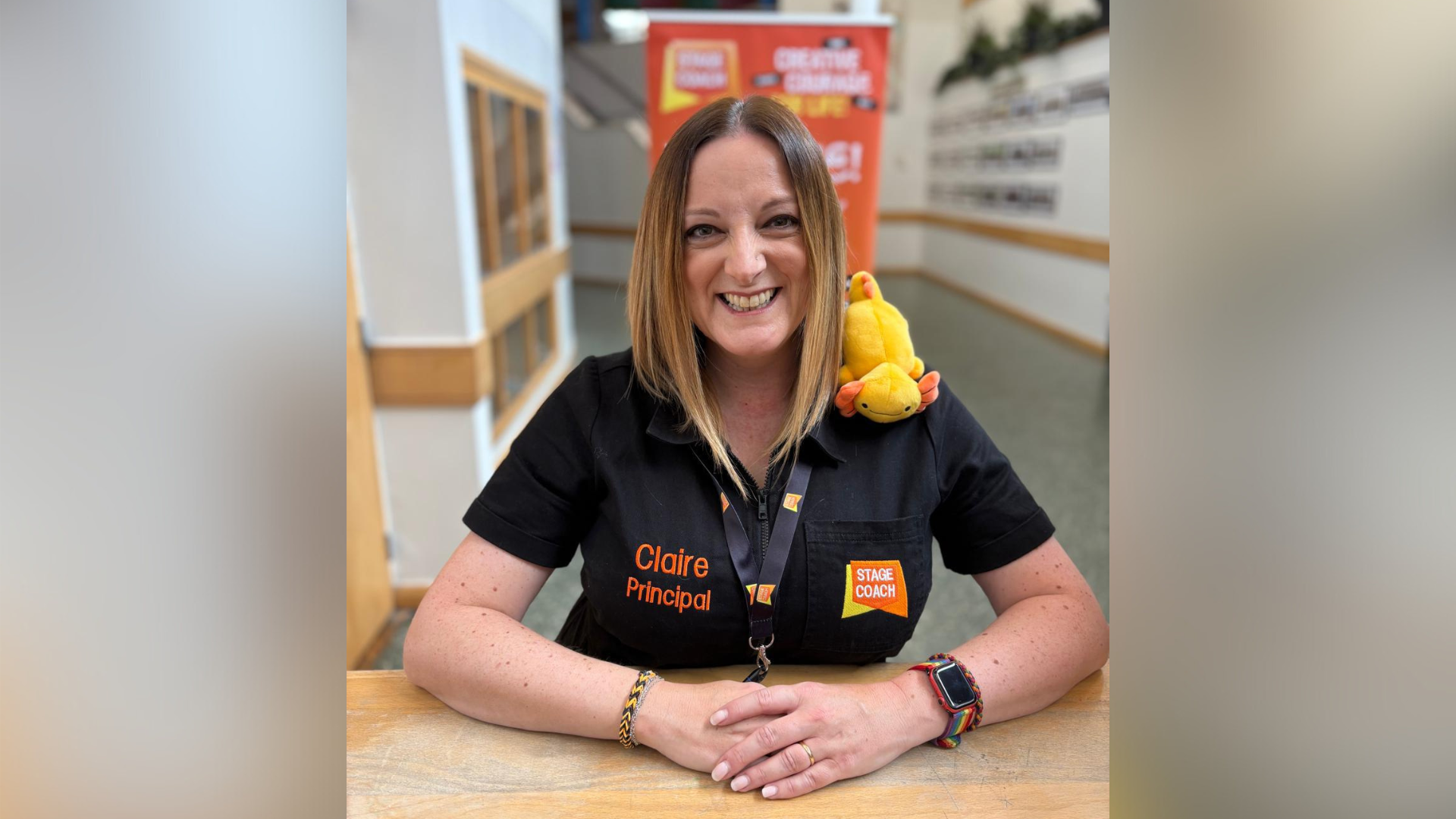
Here, Lisa Stead, CEO of Stagecoach Performing Arts, explains what buying a resale franchise really involves – and what new owners can expect in those early months – with insight from Claire Hookham, who bought Stagecoach Pudsey last year.
You’re buying a head start – and the chance to build on it
The defining feature of a resale is that you’re not beginning with a blank page. The business is already trading, which means there are customers in place, routines established and often a team already delivering the service.
That existing traction is what gives new owners their head start. You’re not trying to prove the concept. You’re looking at something that already works and asking how you can strengthen it.
For Claire, the attraction wasn’t simply that the business already existed, but that it had the right foundations for growth. “I wanted something I could build on straight away,” she explained. “Pudsey had real scope for growth and development. It felt like a business with strong foundations that I could add new energy to – increasing recruitment and expanding its reach locally.”
In other words, a resale puts you straight into the mindset of improvement and development. The focus shifts quickly from establishing a business to evolving it.
The handover shows you what makes it work
If the appeal of a resale is that you can see it operating, the handover period is where you truly understand how and why it works.
One of the biggest misconceptions about resales is that they’re complicated. In reality, they’re usually well structured, because everyone involved wants the transition to be smooth: the franchisor, the outgoing franchisee and the incoming owner.
You’ll typically experience two strands in parallel. One is the practical handover with the outgoing franchisee, where you observe the day-to-day operation – meeting staff, understanding routines and seeing how customers are looked after. The other is the formal process with the franchisor, covering business planning, financial forecasting and approvals.
For Claire, that operational insight was invaluable. “In my case, the previous owner was incredibly efficient and very experienced,” she said. “He guided me through the operational side of the transition – introducing me to the teachers, arranging visits and observations, and supporting the handover process.”
At the same time, she found the formal side clear and transparent. “There was a clear pathway from initial conversation through to approval, and I felt guided throughout.”
That combination matters. It means you’re not just inheriting a business – you’re understanding what underpins its success before you take it forward.
Due diligence means understanding the people behind the numbers
Seeing a business in action is reassuring, but due diligence still plays a crucial role. Financial performance must be reviewed carefully to ensure the operation is viable and sustainable.
But taking a resale forward isn’t only about spreadsheets. It’s about understanding the culture that already exists. Customers have expectations. Staff have established ways of working. The business has a rhythm that contributes to its reputation.
Spending time in the business during the handover allows you to assess these less visible elements. How does the team communicate? What do customers value most? Where are the opportunities to refine or strengthen?
For Claire, continuity within the team was one of the biggest positives. “In fact, I only needed to replace one teacher and the Early Stages assistant – everyone else stayed,” she said. “That continuity was really important.”
That stability gave her confidence that she could focus on development rather than rebuilding trust from scratch.
The early weeks are about protecting what already works
Once ownership transfers, the temptation can be to make changes immediately. But when you’re stepping into something established, one of the most effective first steps is often to preserve what customers already value.
In those early weeks, reassurance matters. Customers want to know that the standards they trust will continue. Staff want clarity about direction. Calm, steady leadership lays the groundwork for everything that follows.
Claire approached her transition with that mindset. “One of the key priorities for me was ensuring continuity for parents and students and maintaining the same high level of service from day one,” she explained.
By protecting what was already working, she created space to think about the next stage.
Once steady, you can focus on growth
With continuity in place and confidence building, attention naturally shifts to development.
Because a resale business is already trading, you’re not spending months attracting your first customers. Instead, you’re strengthening visibility, refining marketing and building on an established reputation.
Claire describes that shift clearly. “After my first term, I was so energised that I opened a second school on a different day,” she said. “The original school was profitable and stable, which gave me the confidence to expand.”
That progression reflects the central advantage of a resale: you inherit something that works, you stabilise it under your leadership and then you build.
A stronger starting line
A resale franchise isn’t a shortcut. It still demands leadership, effort and smart decision-making.
But it does change where you begin. You start with customers already engaged and a business already in motion. From there, the focus becomes less about proving the model and more about shaping its future.
And that is what many prospective franchisees find most compelling: not the promise of an easier journey, but the opportunity to take something established and make it their own.
